
Flat Roof Types & Materials
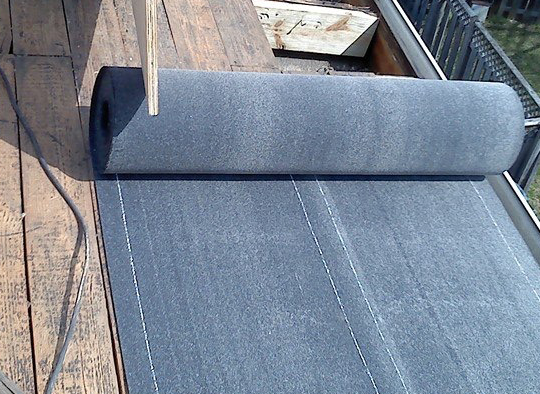
Flat and low-slope roofs in the Washington DC area are built using several distinct membrane systems. Understanding which type you have helps you anticipate maintenance needs and recognize when professional attention is warranted.
Modified Bitumen
Modified bitumen is the most common flat roof system on modern DC rowhouses and low-slope buildings. It consists of a reinforced cap sheet — typically torch-applied or cold-adhered — over a base sheet and solid roof deck. The granule-surfaced top ply provides durable waterproofing and UV resistance. Modified bitumen systems are valued for their strength, flexibility across temperature swings, and long service life when properly maintained.
Hot Asphalt Built-Up Roofing (BUR)
Traditional built-up roofing layers multiple plies of roofing felt bonded with hot asphalt, topped with a gravel or reflective coating surface. BUR systems are extremely durable and remain a strong choice for commercial and apartment building roofs with heavy foot traffic or equipment. The multi-ply construction provides redundancy — if one layer develops a minor defect, the layers below continue to protect the building.
Reflective Silver Coatings
Silver coating is an asphalt-based aluminum finish applied over modified bitumen or BUR cap sheets. While not a standalone roofing system, it serves as a critical maintenance step: reflecting UV radiation, reducing top-floor cooling costs in DC summers, preventing the underlying asphalt from drying and cracking, and extending the roof's overall lifespan. Raymond recommends periodic re-coating as part of a proactive maintenance plan.
Why DC Rowhouse Roofs Leak
Historic rowhouses in Capitol Hill, Petworth, Brookland, and Hyattsville share architectural features that create predictable leak vulnerabilities. Understanding these common failure points helps property owners spot problems early.
Parapet Wall Flashing
Rowhouse parapet walls rise above the roofline and are capped with metal flashing. The joint where the roof membrane meets the parapet is a high-stress area. DC's freeze-thaw cycles cause brick masonry and metal to expand and contract at different rates, eventually pulling flashing sealant apart and opening paths for water.
Failed Flashing at Chimneys & Skylights
Chimney step flashing and skylight curb flashing rely on sealant and metal counter-flashing that degrade over time. These penetrations are among the most common leak sources on older flat roofs.
Ponding Water & Scupper Drains
Flat roofs should drain within 48 hours of rain. When slope is inadequate or scupper drains clog with debris, standing water ponds on the membrane, accelerating deterioration and eventually finding any微小 defects to penetrate.
Membrane Seam Separation
Modified bitumen and BUR seams can separate as adhesive ages and the membrane cycles through temperature extremes. Open seams allow water directly beneath the top ply, where it travels laterally before appearing as an interior ceiling stain far from the actual entry point.
Flat Roof Maintenance Tips
Proactive maintenance dramatically extends flat roof lifespan and prevents the vast majority of leaks. Here's what DC & Maryland property owners can do:
- •Keep scupper drains and roof outlets clear of leaves, debris, and granules so water drains freely.
- •Schedule periodic reflective silver re-coating every few years to protect the membrane from UV drying.
- •Inspect parapet wall and chimney flashing sealant annually for cracks or separation.
- •Trim overhanging tree branches that drop debris and shade roofs unevenly.
- •Address any interior ceiling stains immediately — small leaks become structural problems fast.
Seasonal Maintenance Through the Year
Flat roof care in the DC area follows the seasons. A little attention at the right time of year prevents most of the leaks Raymond gets called about. Here's a simple calendar property owners can follow.
Fall — Clear Scuppers and Drains
Autumn is the most important season for a flat roof. Falling leaves, twigs, and shingle granules collect in scuppers, downspout outlets, and roof drains. Once those paths clog, the next rain has nowhere to go and ponds on the membrane. After the trees have dropped their leaves, clear every drain and scupper by hand and flush the outlets so water moves freely. A few minutes in October saves a ceiling in November.
Winter — Watch the Snowmelt
Snow that sits on a flat roof and melts slowly is the water most likely to find a defect, because it has time to work its way into aging seams and flashing gaps. Don't go up on a frozen roof yourself — it's unsafe and the membrane is brittle in the cold. Instead, note any drips that appear a day or two after snow and tell Raymond where and when; that timing is a strong clue to the source.
Spring — Check After Every Storm
Spring storms in Prince George's and Montgomery County bring wind-driven rain that tests parapet flashing and chimney sealant. After each storm, take a look at the top-floor ceiling and the walls just below the roofline for new stains or damp patches. Walk the perimeter inside and check around skylights. Catching a fresh stain early means a small repair instead of a soaked deck.
Summer — Recoat When the Silver Wears
The reflective silver coating on a modified bitumen or built-up roof is a maintenance layer, not a permanent finish. Over the years it chalks, thins, and wears off in foot-traffic paths and low spots. When you can see the dark membrane showing through the silver, it's time to recoat. A fresh coat reflects the DC summer sun, keeps the asphalt from drying and cracking, and adds years of service life for a fraction of a replacement. Summer's dry, warm weather is the right window for re-coating so the coating cures properly.
When to Call a Professional
Call Flat Roof Experts when you notice active ceiling drips or water stains, recurring leaks after prior repairs, visible membrane blistering or bubbling, soft spots in the roof deck, or your roof is approaching 20+ years of age. Raymond provides honest, on-roof inspections and fair written quotes — telling you exactly what needs attention now and what can safely wait. Call (202) 494-3138 or request a free estimate to schedule your inspection.