
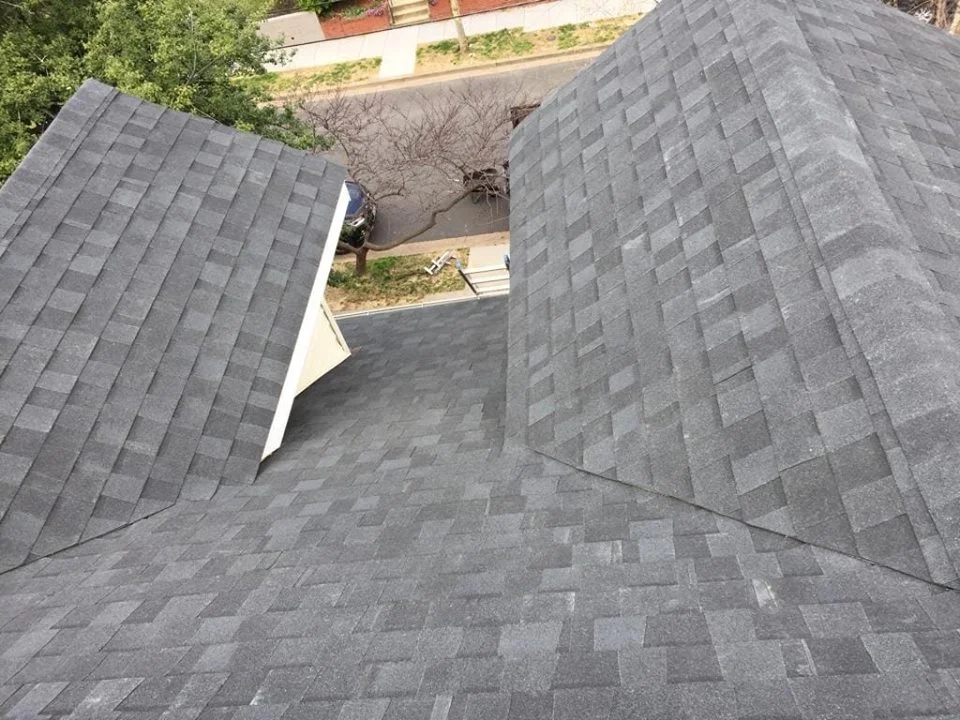
Asphalt Shingle Roofing & Repair in Hyattsville, MD
Plenty of DC-area homes mix flat and pitched roofs. Raymond handles shingle installs and repairs — and especially the tricky spot where a flat roof meets a shingled slope.
Where Flat Meets Pitched on DC-Area Homes
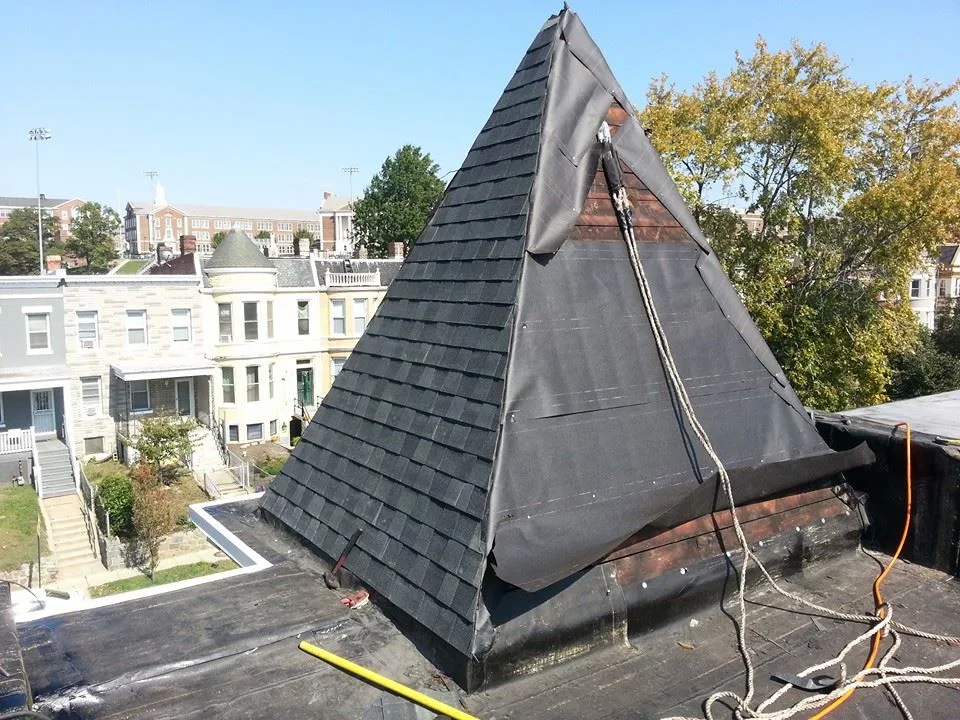
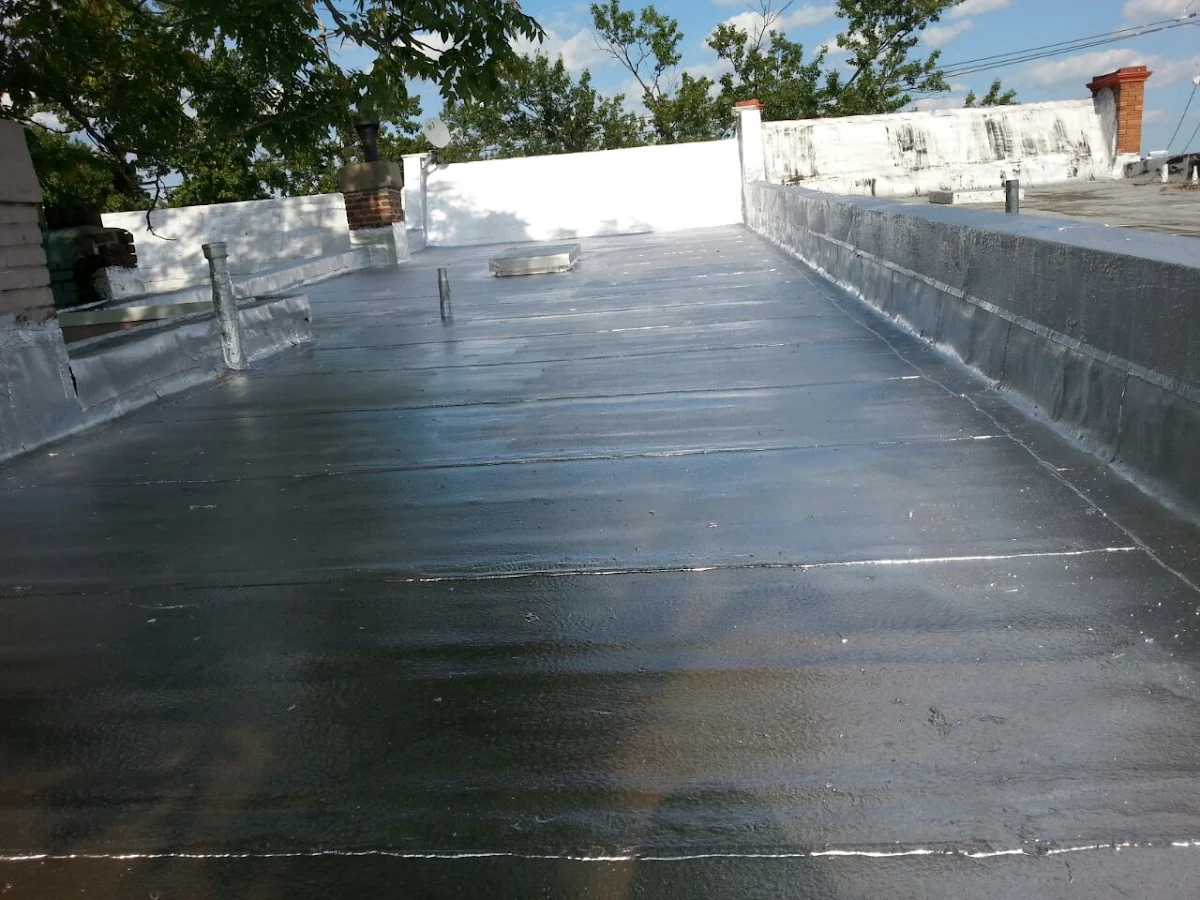
A lot of homes across Hyattsville, Washington DC, Prince George's and Montgomery County aren't just one roof type. A rowhouse might have a flat main roof with a shingled turret or bay window. A detached home might have a pitched roof out front and a flat section in the back over a porch or addition. And on many older DC homes, the shingled section is where the trouble starts — because the transition between the flat membrane and the shingled slope is one of the hardest details to get right, and one of the most common places to leak.
Raymond has been working on these mixed roofs since 1981. He installs and repairs asphalt shingles on pitched sections, turrets, porches, and bay-window roofs — and he pays special attention to the step flashing and counter-flashing where a shingled slope meets a flat roof membrane. Water doesn't care which system it's on. It just finds the weakest joint, and that joint is usually the transition. Get it wrong and water runs down behind the flat membrane or under the shingle courses, and the stain shows up somewhere neither system owner expects.
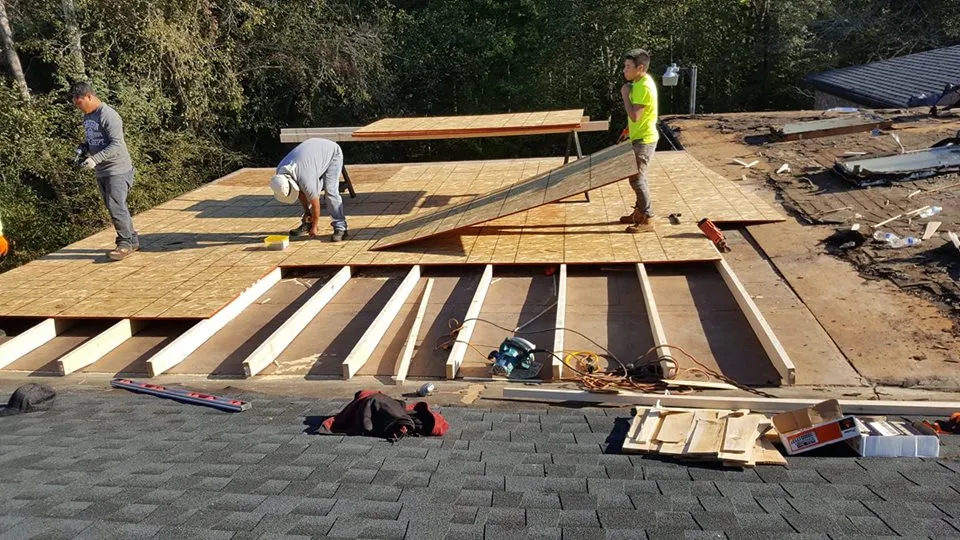
Shingle work on its own is straightforward — a sound deck, proper underlayment, correct fastening, aligned courses, and flashing at every valley, hip, and penetration. Raymond handles complete shingle roof installations, partial repairs where a few courses have lifted or a valley has failed, and targeted fixes like replacing damaged shingles after a storm. But because he's a flat-roof specialist first, he also understands how the pitched section and the flat section interact — and that's what saves you from a repair that fixes one side and leaks through the other.
If you're not sure whether your leak is coming from the shingled section or the flat one, try the Leak Detective — it walks you through where the water shows up and when, and points to the most likely source. Or just call Raymond. He'll get up on the roof, find the real entry point, and tell you honestly whether it's a shingle repair, a flashing fix at the transition, or something on the flat side.
Get an Honest Quote
How Raymond Handles It
Call or Request an Estimate
Tell us where you see water and when it shows up. Raymond will schedule a time to get on the roof and inspect both the shingled and flat sections.
Raymond Gets Up on the Roof
He checks the shingle courses, the valleys and hips, the flashing at every wall and penetration, and especially the transition where the pitched section meets the flat membrane.
Find the Real Source
A shingle-edge leak can travel a long way before it shows up inside. Raymond traces the water back to the actual entry point — whether it's a missing shingle, a failed valley, or the flat-to-pitched transition.
An Honest, Written Quote
You get a clear quote for the repair — and a plain explanation of what can wait. If a few shingles and some flashing will solve it, that's what he recommends.
Clean, Professional Shingle Work
Raymond replaces the damaged shingles, reseals the flashing, and makes sure the transition detail is sound — then cleans up when he's done.
Shingle Roofing in Progress
Shingle Roofing FAQ
Serving DC, Prince George's & Montgomery County
Based in Hyattsville, MD — serving these 20 towns within about 20 miles.